


Back-to-school is winding down. Labor Day clearance is about to clear summer stock. If your feed still looks like July, shoppers will not believe you have a fall story ready.
Shopify’s 2026 retail calendar treats September as the month for fall energy, inventory prep, and early Q4 creative testing, and it calls out the first day of fall on September 22 as a moment to debut a fall lookbook or product line (Shopify). Mid-August is when that work should already be on the calendar, not when you start writing captions from scratch.
Use the Mood-Map-Merch-Moment framework below to launch a Shopify fall collection on social without turning every post into another generic “new arrivals” graphic.
Key Takeaways
- Start in mid-August: Finish the collection page and lookbook assets before Labor Day clearance ends.
- Use Mood-Map-Merch-Moment: Set the seasonal story, map one shoppable path, merch early access, then own launch week.
- Sell a season, not a SKU dump: Outfit, room, and routine posts beat a grid of disconnected product shots.
- Point every CTA to one collection URL: Bio links, Stories stickers, and launch posts should agree.
Why fall collections need their own social plan
A single product launch sells novelty. A fall collection sells a season: cooler mornings, layered outfits, denser home routines, earlier gifting research. Shopify’s lookbook guidance frames lifestyle imagery as a way for shoppers to picture products inside their own lives, not as decoration for the catalog (Shopify).
That changes what social has to do:
- Establish the mood before you list every SKU
- Give shoppers one clear collection destination
- Use early access so VIPs feel the season start before the public drop
- Keep proof and styling content alive after launch day
If you are still closing back-to-school last-mile demand, finish that offer with a hard date, then open fall. Pair this plan with the back-to-school Shopify social plan for the handoff, and use the Labor Day marketing guide when clearance and fall teasers have to share the same week.
This is not the same job as a single-SKU drop. Keep the Shopify product launch social media plan for one hero product. Use Mood-Map-Merch-Moment when the story is a seasonal set.
The Mood-Map-Merch-Moment framework
Most fall feeds fail for one reason: the store publishes twenty new products with no shared job. Shoppers see inventory, not a season. Mood-Map-Merch-Moment keeps the work sequential.
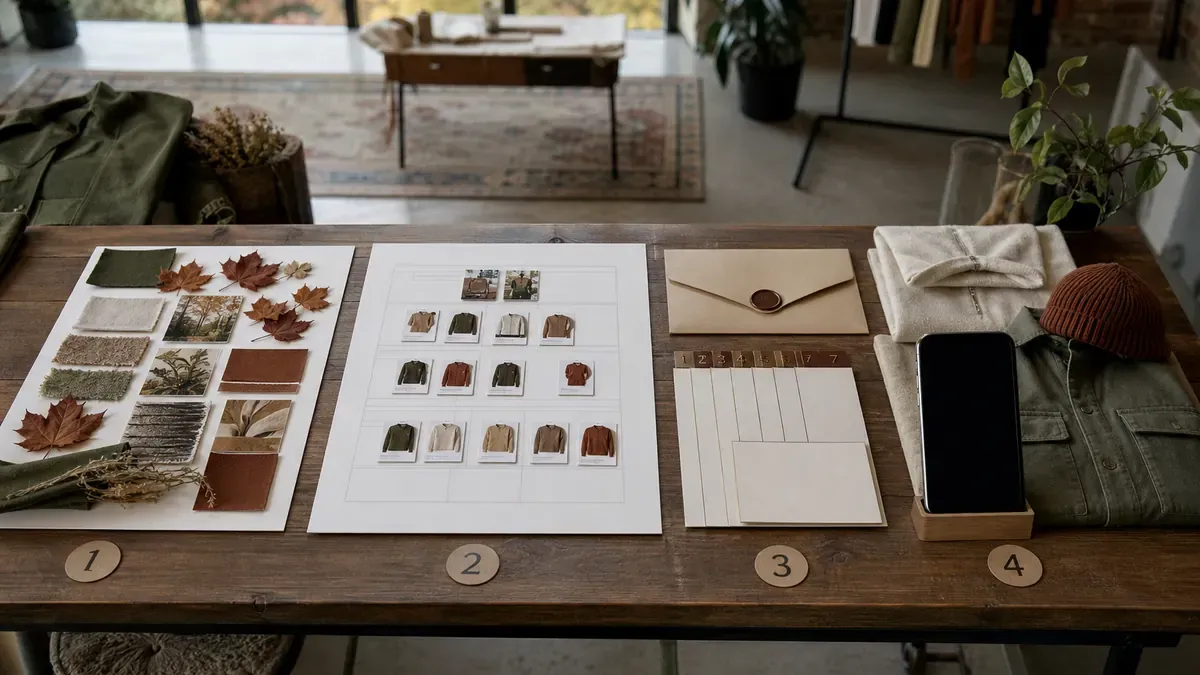
Phase 1: Mood (two to three weeks before launch)
Goal: make the seasonal job obvious before you ask anyone to shop.
Pick one primary shopper job for the collection. Examples:
- Layering for cooler mornings without buying a whole new wardrobe
- Resetting a home corner for longer indoor evenings
- Building a small set of fall-ready gifts before Q4 panic
- Swapping summer skincare or scent routines for denser formulas
Mood content that works on Instagram, TikTok, and Pinterest (pull rising seasonal keywords from Pinterest Trends planning for Shopify):
- Short clips of textures, layers, packing, or styling without a hard sell
- “What changes in September” carousels tied to real use cases
- Behind-the-scenes of sampling, dyeing, sourcing, or set building
- Side-by-side summer vs fall setups that show the problem, not just the aesthetic
- Soft date posts only after the launch date is locked
Keep CTAs light: save this, reply with your fall reset, join the early list when Merch opens.
Phase 2: Map (one to two weeks before launch)
Goal: finish the collection page and content map so social never has to invent the offer live.
In Shopify admin, build or refresh a fall collection under Products > Collections, then publish it only when titles, images, and sort order match what you will show on social (Shopify Help Center). Shopify also notes you can schedule a future publish date for a collection if you want the page ready without going live early.
Map checklist:
- One collection URL that every caption can repeat
- Hero products ordered the way a shopper should meet them
- Titles and prices that match social claims
- Shipping and return language that will not age badly mid-campaign
- A lookbook-friendly layout on the collection or landing page using lifestyle images, not only white-background shots
Shopify recommends deciding what a lookbook needs to do before you shoot, then linking lifestyle scenes to purchase paths so shoppers can act immediately (Shopify). For social, that usually means three to six shoppable scenes, not a 40-page PDF.
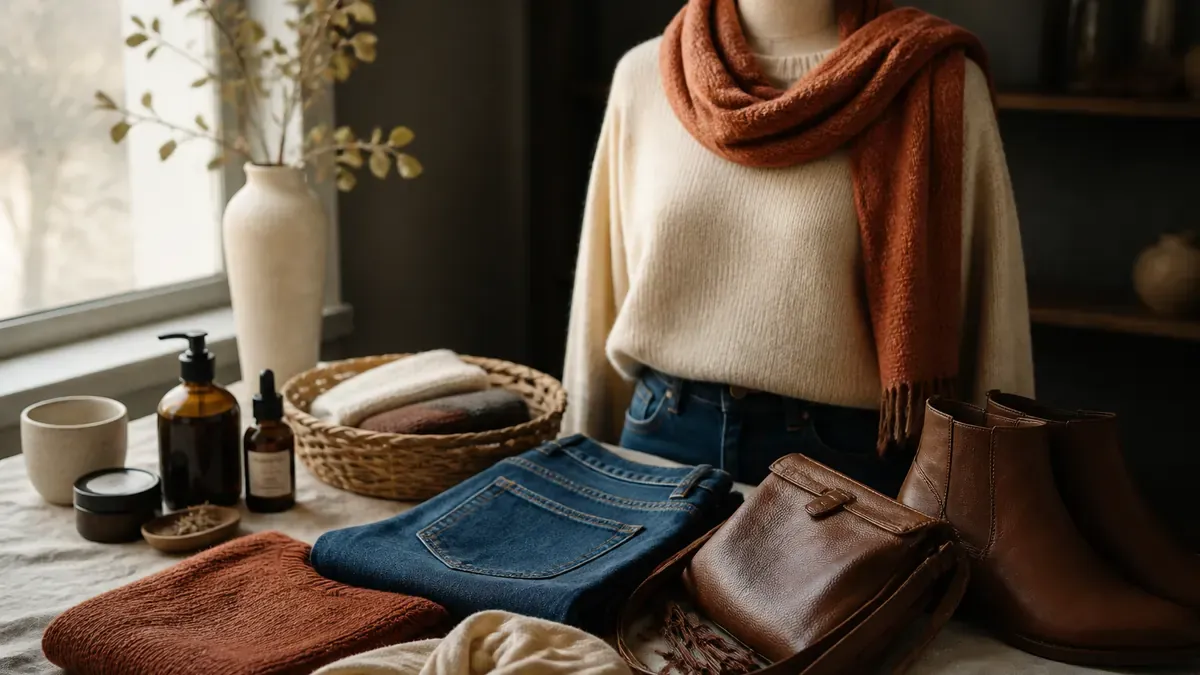
Content map for the week before launch:
| Day | Asset | Destination |
|---|---|---|
| Mon | Mood Reel or carousel | Collection waitlist or email capture |
| Tue | Hero product close-up | Hero PDP inside the collection |
| Wed | Outfit or room scene | Collection page |
| Thu | VIP early-access reminder | Private link or segment |
| Fri | Launch-day creative batch | Scheduled, not drafted live |
| Sat-Sun | Proof and FAQ Stories | Collection URL |
If collection SEO still needs work, tighten the page with habits from the Shopify collection page SEO guide before you pour paid traffic into it.
Phase 3: Merch (five to ten days before launch)
Goal: turn curiosity into early access and finish creative so Moment week is execution.
Shopify’s product-drop guidance stresses multichannel anticipation: teasers, countdown cues, influencer seeding, and email or SMS notifications before the public moment (Shopify). Merch is where that advice becomes a calendar.
Merch moves that protect margins:
- VIP early access 24 to 48 hours before public launch
- Email or SMS for people who engaged with Mood content
- One primary offer only (early access, bundle, or free gift with purchase)
- Creator seeding for two or three trusted accounts, not a spray of free product
- Bio link and Stories sticker pointed at the fall collection, not the homepage
Do not stack Labor Day sitewide discounts on top of fall early access. Clear summer with one end date, then merch the new season.
Phase 4: Moment (launch week through first day of fall)
Goal: make the collection feel live everywhere shoppers already follow you.
Launch-day sequence:
- One pinned announcement with the collection name, who it is for, and the URL
- A lookbook Reel or carousel that shows products in use
- Stories that answer sizing, materials, shipping, or styling questions
- A midweek “what’s selling” or “how to wear / style” follow-up
- A first-day-of-fall post on or near September 22 that refreshes the same collection story
Shopify specifically calls out the autumn equinox as a moment for decor and wardrobe refreshes and for debuting a fall lookbook or product line (Shopify). Use that date as a second beat, not a second brand-new campaign.
After launch, keep Moment content alive with:
- Customer photos and approved UGC
- Restock notes tied to real inventory
- Outfit or room variations using the same collection
- Soft gift angles that preview Q4 without jumping to BFCM discounts yet
For proof systems, reuse habits from the UGC strategy guide. For the broader posting rhythm after launch week, keep a Shopify social media content calendar with fall as a campaign block.
A two-week fall collection social sprint
| Day | Phase | Action | Done when |
|---|---|---|---|
| 1-2 | Mood | Lock the shopper job and launch date | One sentence describes who the collection helps |
| 3-4 | Map | Finish collection page and sort order | URL, prices, and images match social claims |
| 5-6 | Map | Shoot or select lookbook scenes | Three to six lifestyle assets are export-ready |
| 7-8 | Merch | Open VIP or email early access | Segment and private link are live |
| 9-10 | Merch | Batch launch captions and creative | Launch week posts are scheduled |
| 11 | Moment | Public launch | Bio link and pinned post point to one URL |
| 12-14 | Moment | Proof, FAQs, and first-day-of-fall beat | Collection still has fresh social proof |
Common Shopify fall collection social mistakes
Launching twenty SKUs with no shared job. A season needs a shopper problem, not a folder named “Fall 2026.”
Leaving the bio link on a summer sale. Captions cannot outrun a wrong destination.
Mixing clearance and new-season messaging in the same post. Shoppers do not know whether to expect leftover stock or a fresh drop.
Using only white-background product shots. Fall converts on lifestyle context. Shopify’s lookbook advice exists for that reason.
Going silent after launch morning. The week after the drop is when styling, UGC, and restock notes earn the second wave.
Jumping straight to Halloween or BFCM creative. Hold those for later. Fall collection content should make September feel intentional. If Hispanic Heritage Month fits your audience, run that block with the Hispanic Heritage Month Shopify social plan beside fall merchandising, then switch into the Halloween Shopify social plan in October instead of stretching fall lookbooks past their season.
Ignoring operations in captions. If a colorway is low stock, say so. Overpromising burns the season faster than a quiet launch.
When fall launch week ends, shift social language from seasonal drops to recipient jobs with the holiday gift guide social plan for Shopify so October browsers land on curated gifts instead of leftover new-arrival posts.
Put Mood-Map-Merch-Moment on your calendar this week
Write the one-sentence shopper job. Finish the fall collection page so social has one honest destination. Open early access for people who already cared about the mood. Then run launch week like a short campaign, not a single announcement.
If you want the tease, early-access, and launch posts queued without juggling five tools, IDEQO’s content calendar can help you schedule the full Mood-Map-Merch-Moment sequence. Start free with IDEQO. Free plan available. No credit card required.
Fall shoppers do not need another “new arrivals” tile. They need a season they can picture, a collection they can trust, and a social plan that stays consistent from the first teaser through the first cold morning.
Frequently Asked Questions
When should Shopify stores start fall collection social marketing?
Start in mid-August. Shopify's 2026 retail calendar treats September as fall-energy prep and points to September 22 as a natural lookbook and product-line debut date. Mid-August gives you time to finish the collection page, shoot lookbook assets, and warm VIPs before Labor Day clearance ends.
How is a fall collection launch different from a single product launch?
A product launch sells one SKU or small drop. A fall collection sells a seasonal story across multiple products, outfits, or room looks. You spend more time on mood, lookbook styling, and one shoppable collection path, and less time on a single waitlist for one hero item.
Do I need a lookbook to launch a fall collection on social?
You do not need a printed catalog. Shopify treats digital lookbooks as curated lifestyle images that help shoppers picture products in real use. A shoppable collection page, a few outfit or room scenes, and matching social posts are enough for most stores.
What should I post on fall collection launch day?
Lead with one clear announcement that names the collection, who it is for, and where to shop. Follow with short lookbook clips, Stories that show styling details, and a pinned post or bio link that points only to the fall collection URL.
How do I hand off from Labor Day into a fall collection without confusing shoppers?
End the Labor Day clearance with a hard date, then open fall teasers that talk about new season use cases instead of leftover summer discounts. Keep one primary offer live at a time so captions, bio links, and ads all point to the same collection.