


Key Takeaways
- Content SEO is where most Shopify stores lose organic traffic. Technical SEO sets the floor. Blog content and product copy drive the actual growth — and most apps ignore this entirely.
- IDEQO is the only tool that combines AI content generation with Shopify catalog sync. That means AI blog posts and social media captions generated from your actual inventory and brand voice.
- You need 2-3 SEO apps maximum. More than that slows your store and creates code conflicts.
- Image optimization has the biggest technical impact on speed. Page speed is a direct ranking factor. TinyIMG handles this well.
- AEO matters in 2026. Only 16.7% of AI Overview citations overlap with traditional organic results in e-commerce. Structured data and content depth are how you show up in both.
Shopify handles basic SEO well. Clean URLs, auto-generated sitemaps, canonical tags. But “basic” stops being enough once you have 50+ products, three competitors targeting the same keywords, and Google’s AI Overviews eating your click-through rate.
That’s where SEO apps come in. The right ones save hours of manual work and catch issues you’d never spot on your own. The wrong ones slow your store down and solve problems you don’t actually have.
Here are the best SEO apps for Shopify in 2026, split by what they actually do well — and honest about where each one falls short.
How to Choose the Right SEO App
Before comparing apps, figure out which type of SEO help you actually need. Most Shopify stores have gaps in one of three areas.
Technical SEO: Site speed, image compression, structured data, broken links, crawl errors. If your store loads slowly or Google Search Console shows indexing problems, start here.
Content SEO: Keyword research, meta tags, product descriptions, blog posts. This is where most stores underinvest — and where the biggest long-term traffic gains come from. If you’re getting traffic but not enough of it, or ranking on page 3 instead of page 1, thin content is usually the problem.
Image optimization: Product photos are usually the heaviest files on a Shopify store. Compressing them without losing quality is the fastest way to improve page speed, and page speed is a direct ranking factor.
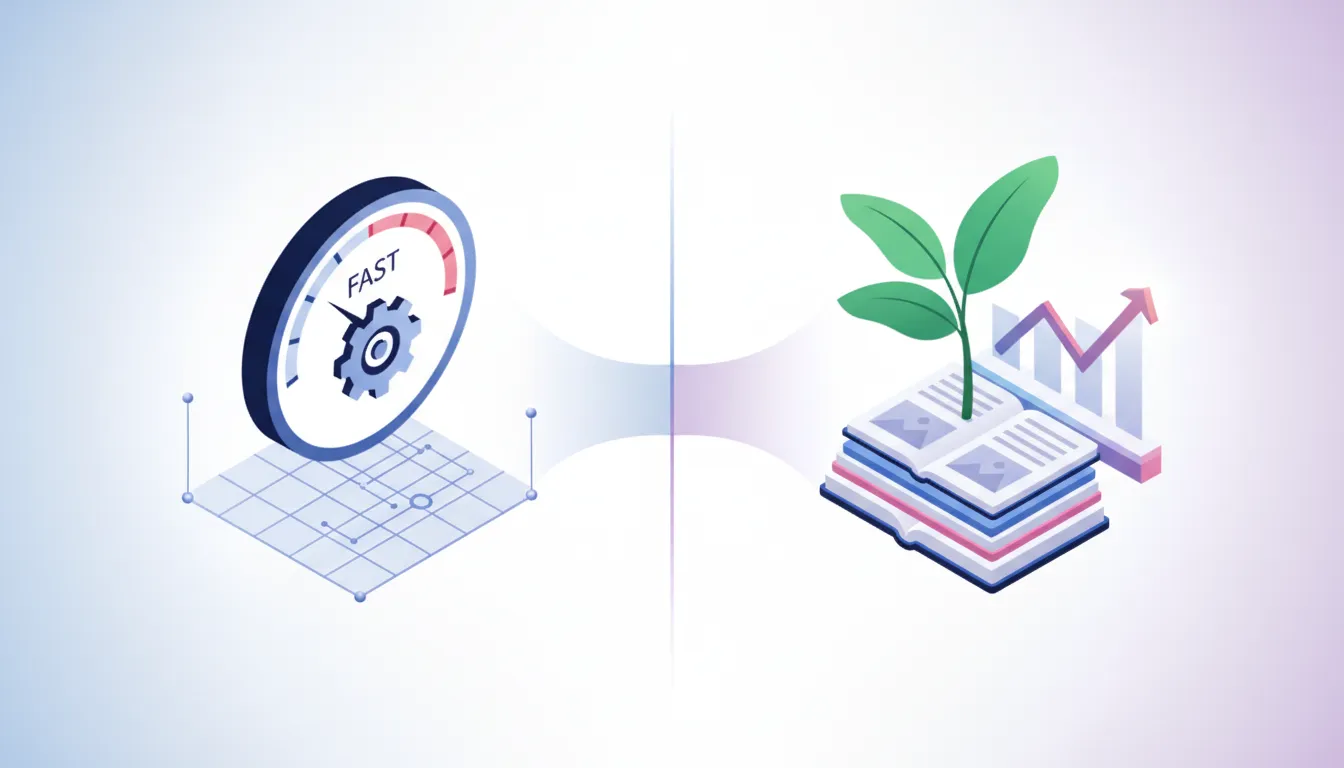
Pick one app for your biggest gap. Add a second only if it covers something the first one doesn’t. Three apps is the absolute ceiling before you start creating more problems than you solve.
Best Content SEO Tool
IDEQO
Content SEO is where most Shopify stores leave organic traffic on the table. Technical fixes are a one-time exercise. Content drives compounding, long-term growth — and no app on this list handles it better than IDEQO.

IDEQO connects directly to your Shopify catalog. It pulls your product data — titles, images, pricing — and uses that as the source material to generate keyword-targeted blog posts and social media captions in your Brand Voice. Not generic copy. Content that’s actually about your products, written in your store’s voice, and structured to rank.
The Brand Voice feature is what separates IDEQO from every other tool here. You set your tone, terminology, and style once. IDEQO applies it automatically to everything it generates. Competitors targeting the same keywords with better-written, more consistent content consistently outrank stores with thin, template-looking copy.
Blog content is the highest-leverage SEO investment a Shopify store can make. A single well-optimized blog post can drive organic traffic for years. IDEQO’s AI blog generation is built for this: it targets long-tail keywords, structures posts for both Google and AI Overviews, and auto-inserts FAQ schema — a requirement if you want to show up in Google’s AI Overviews and AEO results.
Most SEO apps fix technical issues and call it done. IDEQO fixes the thing that actually drives traffic.
Pricing:
- Free: 1 Shopify integration, 1 automation, AI content generation. No credit card required.
- Paid: from $15/month (billed annually)
Best for: Shopify stores with solid technical SEO that want to build organic traffic through content. Also the right starting point for stores with an empty blog and no social content strategy.
Best Technical SEO Apps
SearchPie
SearchPie is one of the most popular Shopify SEO apps with over 3,500 reviews and a Built for Shopify badge. It’s built for store owners who want guided fixes, not a raw data dashboard.
What it does well: auto-fixes for common SEO issues, keyword tracking, backlink analysis, and structured data generation. The app grades each page and tells you exactly what to fix. Good for beginners who don’t want to learn SEO theory first.
The honest limitation: $39/month is steep for a tool that’s most valuable during an initial SEO audit. Once your store is technically healthy, there’s less reason to keep paying. It doesn’t generate content, so it won’t help you grow traffic — only clean up what you already have.
Pricing: Free plan available. Paid plans start at $39/month.
Booster SEO
Booster SEO uses AI to monitor your store for SEO problems continuously. It catches broken links, missing alt text, and meta tag issues automatically.
What it does well: set-and-forget monitoring, bulk meta tag editing, and autopilot fixes for common technical issues. Better for store owners who want to spend zero time thinking about technical SEO.
The honest limitation: the free plan is nearly useless — it covers alt text only. Everything else costs $39/month. For monitoring and auto-fixes, that’s a lot to pay for something that mostly addresses issues Shopify already handles at the platform level. Worth it during a cleanup phase. Hard to justify long-term if your store is already in good shape.
Pricing: Limited free plan (alt text only). Paid from $39/month.
Smart SEO by Sherpas Design
Smart SEO is the best option for stores that need JSON-LD structured data without writing code. It auto-generates structured data for products, collections, and blog posts.
This matters because structured data powers rich results in Google and is a key factor for AI Overview visibility. If your store has zero structured data and you want one focused app to fix that, Smart SEO does it at a reasonable price.
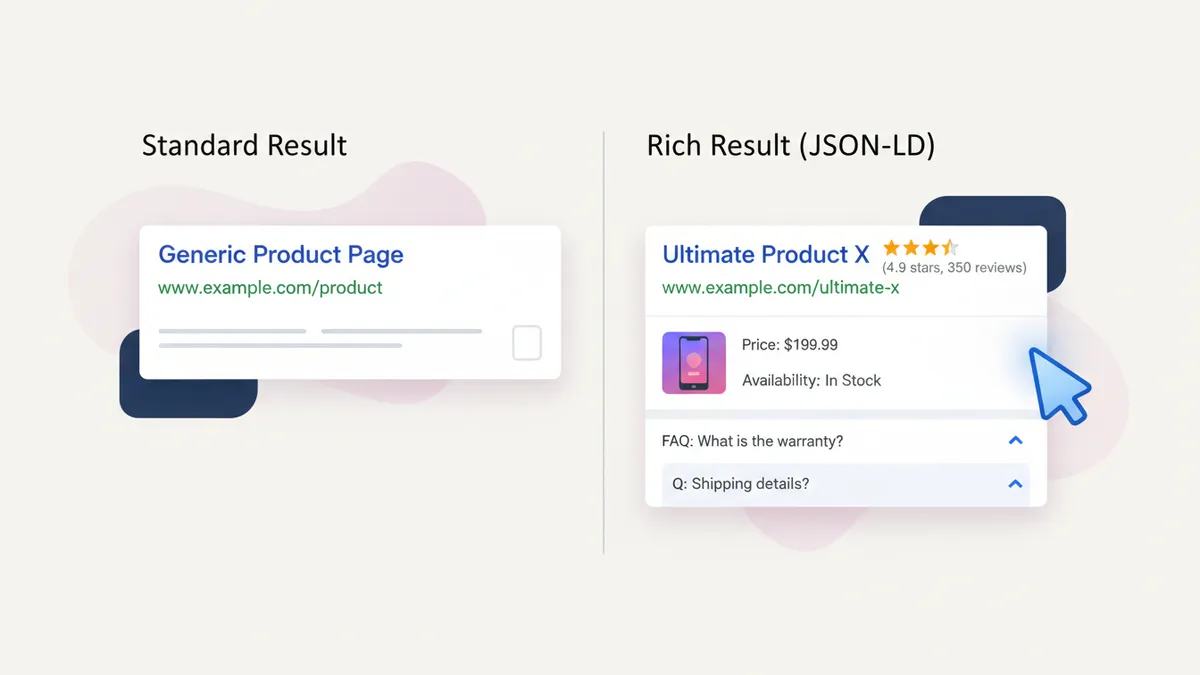
The honest limitation: structured data is all it does. It won’t help you write better content or generate new traffic. Think of it as a narrow technical fix, not a growth tool.
Pricing: Free plan available. Paid from $9.99/month.
Best Image Optimization Apps
TinyIMG
TinyIMG is the top-rated image optimization app on Shopify with over 2,400 five-star reviews. For stores with large product catalogs, this is where you’ll see the biggest speed improvement.
What it does well: bulk image compression, lazy loading, alt text automation, broken link detection, and IndexNow support for faster Google indexing. The free plan is generous enough for small stores.
The honest limitation: image compression is largely a one-time exercise. Once your catalog is compressed and your pipeline handles new uploads automatically, the ongoing value of the paid plan decreases. Start on the free plan, upgrade if your catalog is large enough to need bulk processing.
Pricing: Free plan. Paid from $14/month.
Avada SEO Suite
Avada is the best free all-rounder for stores that need basic SEO and image optimization in one app. It covers image compression, meta tag templates, Google Search Console integration, and sitemap management.
It won’t beat TinyIMG on image compression or SearchPie on technical depth. But as a free starting point before committing to paid tools, it covers a lot of ground.

The honest limitation: the paid tiers ($34.95/month+) are hard to justify when you can get better specialized tools for less. The free plan is where Avada earns its recommendation.
Pricing: Free plan with useful features. Paid from $34.95/month.
Free Tools You Actually Need
Google Search Console + Google Analytics 4
These aren’t apps, but they’re required. Google Search Console shows you which queries drive traffic, which pages have indexing issues, and where your click-through rate is dropping. GA4 shows the purchase journey from search to sale.
Every SEO app on this list works better when you’re also watching the data in Search Console. If you haven’t set these up, do it before installing any paid app.
Keyword research tools
For keyword research, Google Keyword Planner (free with a Google Ads account) and Ubersuggest (limited free tier) cover the basics. If you’re serious about content SEO, Ahrefs or Semrush are the industry standards, but at $99+/month they’re a commitment. Start free, upgrade when your traffic justifies the investment.
The 2026 Factor: SEO Apps and AI Search
Most “best SEO apps” lists skip this entirely.
AI search is reshaping how Shopify stores get discovered. Google’s AI Overviews, ChatGPT, Perplexity, and other AI answer engines now drive 15-20% of e-commerce referral traffic. A study by Authoritas found that only 16.7% of AI Overview citations for e-commerce overlap with traditional organic results. That’s the lowest of any vertical.
Ranking on page 1 of Google no longer guarantees you’ll appear in AI answers.
The apps that help here generate structured data (Smart SEO, SearchPie), create FAQ schema, and produce content that AI engines can extract clean answers from. IDEQO handles the content side of this specifically: AI-generated blog posts with built-in FAQ schema, keyword targeting, and the depth that answer engines reward.
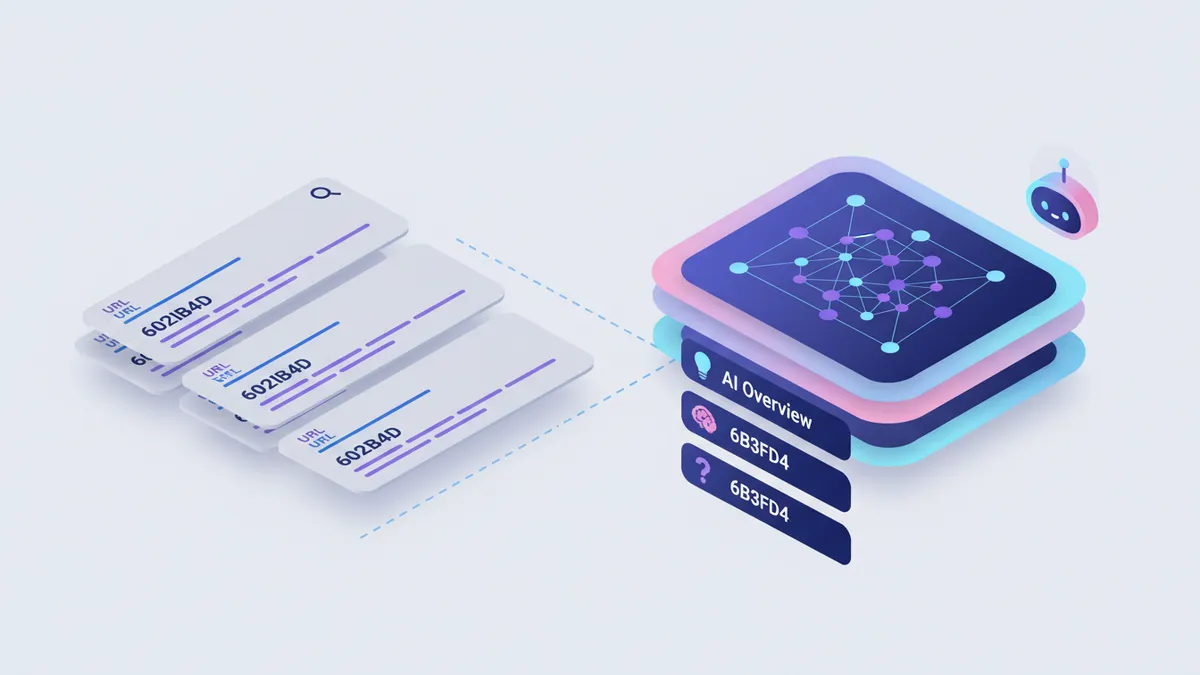
This is why content SEO matters more in 2026 than it did in 2023. Technical fixes alone won’t get you into AI Overviews. Comprehensive, well-structured content does.
For more on this, the guide to Shopify SEO fundamentals covers the full picture, and the post on blog SEO strategy for Shopify breaks down how content drives organic growth long-term. When you also want products discoverable inside AI shopping chats, pair content SEO with the operating steps in the Shopify Agentic Storefronts guide.
Which App Should You Start With?
Your store has good technical SEO but an empty blog and no social content strategy: Start with IDEQO’s free plan. This is the highest-leverage move most Shopify stores can make. A handful of well-optimized blog posts targeting long-tail keywords will outperform any amount of meta tag tweaking.
Store loads slowly, images are uncompressed: Start with TinyIMG. Free plan is enough to test. This is a fixable technical problem with a clear solution.
Google Search Console shows structured data errors: Smart SEO at $9.99/month is the targeted fix.
Need a guided technical SEO audit to clean up a messy store: SearchPie is worth it for the audit phase, then decide if you want to keep paying.
Want one free app that covers the basics of everything: Avada SEO Suite. Good starting point, easy to install.
Don’t install four apps on day one. Pick one, measure the impact for 30 days, then decide if you need a second. Your store’s speed — and your Google rankings — will thank you.
Frequently Asked Questions
What is the best free SEO app for Shopify?
IDEQO's free plan is the strongest free option for content SEO — AI content generation, one Shopify integration, and one automation at no cost. For image optimization, TinyIMG's free plan covers small stores well. For technical SEO basics, Avada SEO Suite is a solid no-cost starting point.
Do I need an SEO app for my Shopify store?
Shopify handles basic SEO out of the box: clean URLs, sitemaps, canonical tags. An SEO app becomes worth it when you have 50+ products and need to bulk-edit meta tags, compress images at scale, or automate structured data. For content SEO — blog posts, keyword-targeted articles, social content from your products — Shopify does nothing. You need a tool like IDEQO for that.
How many SEO apps should I install on Shopify?
Two to three maximum. More than that creates code conflicts, adds unnecessary JavaScript, and can slow your site down. Pick one for technical and image SEO, one for content and keyword research, and possibly one for structured data if your main app does not cover it.
Can SEO apps hurt my Shopify store's speed?
Yes, if you install too many. Every app adds code to your storefront. Image optimization apps generally improve speed. But apps that inject inline scripts for meta tags or widgets can slow things down. Test your page speed before and after installing any SEO app.
What is the difference between technical SEO and content SEO for Shopify?
Technical SEO covers site speed, mobile optimization, structured data, crawlability, and broken links. Content SEO covers keyword research, meta tags, product descriptions, blog posts, and on-page optimization. Most Shopify stores need both. Technical SEO sets the floor. Content SEO drives the real traffic growth — and it's where most stores are leaving organic traffic on the table.